Analyzing Interconnections of Payment Methods and Hierarchical Privileges in Mobile Gaming Systems
Written by Katja Lange · Nov 9, 2026
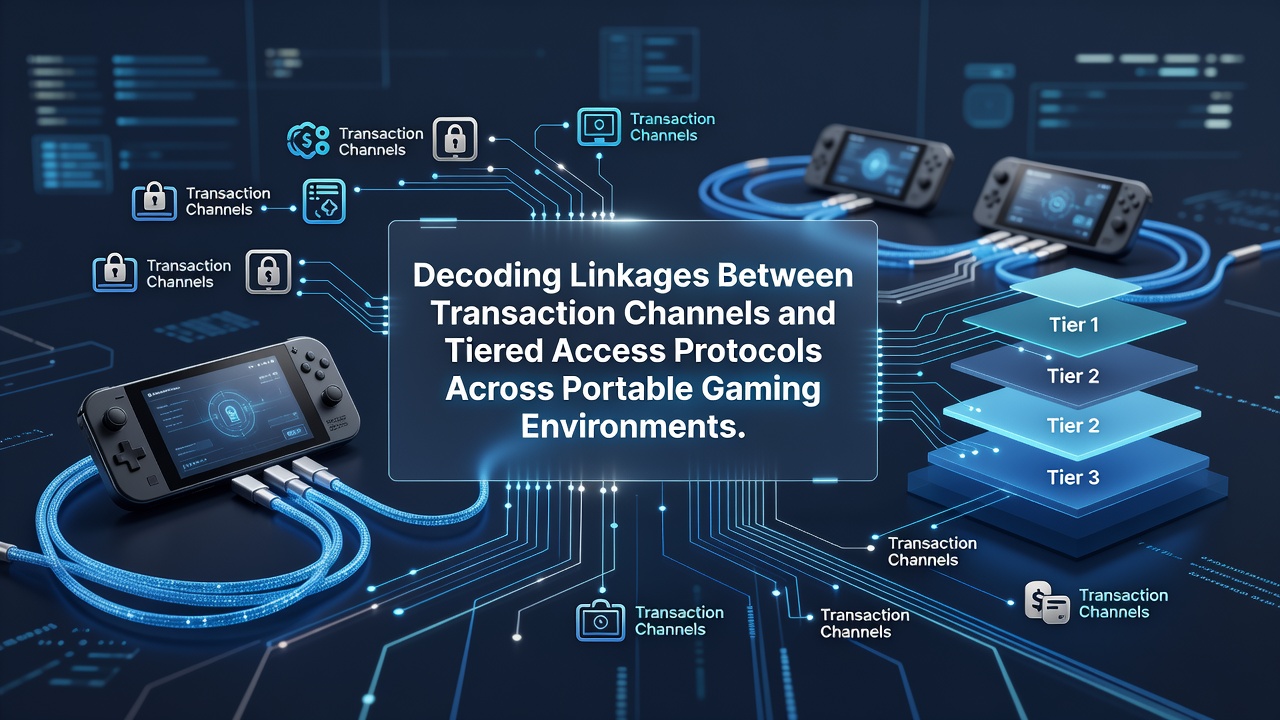
Analyzing Interconnections of Payment Methods and Hierarchical Privileges in Mobile Gaming Systems
Transaction channels in portable gaming environments encompass a range of digital payment options including bank transfers, e-wallets, and cryptocurrency transfers that connect directly to user accounts on mobile platforms, while tiered access protocols define progressive levels of gameplay features, bonus eligibility, and withdrawal limits based on activity thresholds.
Researchers have documented how these elements interact through backend authentication layers that verify deposit history before granting elevated status, and data from industry reports indicates synchronized updates occur when payment volumes reach specific milestones within a calendar month.
Core Components of Transaction Channels
Portable gaming applications process payments through encrypted gateways that support instant verification for certain methods, whereas slower channels such as wire transfers require additional confirmation steps that delay tier progression until funds clear, and this linkage affects how quickly users advance from basic to premium access levels across multiple device sessions.
Studies compiled by the American Gaming Association reveal patterns where integrated wallet solutions reduce authentication delays by up to 40 percent compared with traditional banking routes, allowing platforms to unlock reel multipliers or live dealer tables sooner for qualifying accounts.
Tiered Access Protocols and Their Structure
Access tiers typically begin with entry-level status that restricts maximum bet sizes and limits daily bonus claims, yet higher tiers unlock expanded game libraries along with priority support and accelerated payout queues once cumulative transaction data meets predefined criteria, and these thresholds often reset monthly to maintain ongoing engagement metrics.
According to regulatory filings from the Pennsylvania Gaming Control Board, mobile operators must log every channel-to-tier linkage in auditable records to ensure compliance with responsible gaming standards, particularly as November 2026 data shows increased scrutiny on cross-border transactions affecting tier eligibility.
Linkages Between Channels and Protocols
Linkages emerge when payment processors feed real-time data into tier management algorithms that calculate status upgrades based on deposit frequency, volume, and method reliability, while discrepancies in channel speed can stall progression until manual reviews complete, and this creates observable bottlenecks during peak periods such as holiday promotions.
One documented case involved operators in Australia adjusting protocols after observing that cryptocurrency channels accelerated tier unlocks by bypassing traditional verification queues, prompting updates to matching systems that align faster payments with immediate privilege grants.
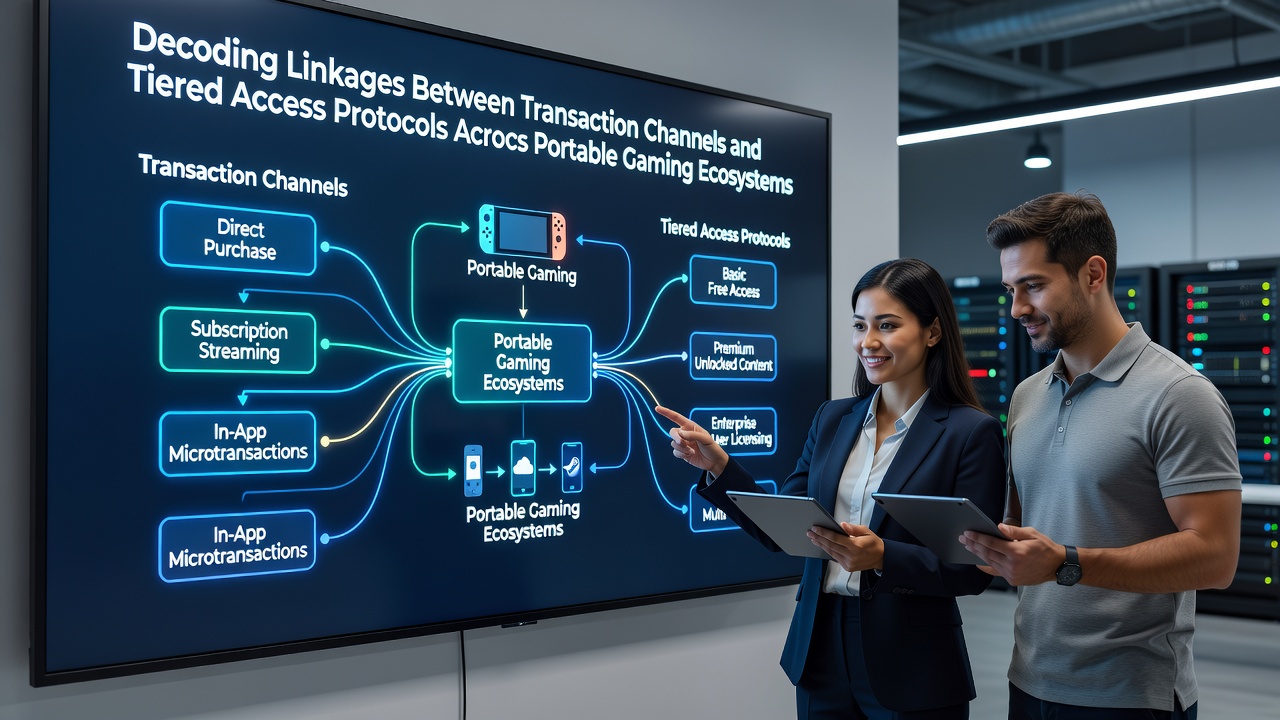
Evidence from academic analyses at institutions studying digital economies suggests that encryption standards play a pivotal role in securing these connections, ensuring that transaction records remain tamper-proof while tier algorithms process them without exposing sensitive user details.
Current Trends Observed in November 2026
Figures released in November 2026 from various gaming oversight bodies highlight a 12 percent rise in mobile transaction volumes tied to tier advancements, particularly through contactless methods that integrate seamlessly with app-based verification, and this trend appears strongest in regions where operators have adopted unified ledgers for payment and privilege tracking.
Industry organizations such as the Canadian Gaming Association note that such integrations reduce administrative overhead while maintaining audit trails required for graduated incentive distribution across handheld devices.
Security and Compliance Considerations
Security protocols embed transaction channel data into tier access decisions through multi-factor checks that confirm both payment legitimacy and user identity before elevating privileges, whereas non-compliance with regional standards can trigger temporary tier freezes until discrepancies resolve, and this framework supports broader efforts to prevent unauthorized access in portable environments.
Reports from the Victorian Commission for Gambling and Liquor Regulation in Australia detail how these safeguards have evolved to handle increasing mobile adoption without compromising the integrity of tier calculations.
Conclusion
Overall, the interconnections between transaction channels and tiered access protocols continue to shape mobile gaming operations through data-driven linkages that prioritize verified payments for privilege allocation, with ongoing developments in November 2026 underscoring the need for precise synchronization across platforms, and regulatory sources from multiple jurisdictions provide the benchmarks that guide these evolving systems.