Data Encryption Standards Supporting Loyalty Point Tracking Accuracy in Mobile Casino Platforms
Written by Casey Schmidt · Aug 31, 2026
Data Encryption Standards Supporting Loyalty Point Tracking Accuracy in Mobile Casino Platforms
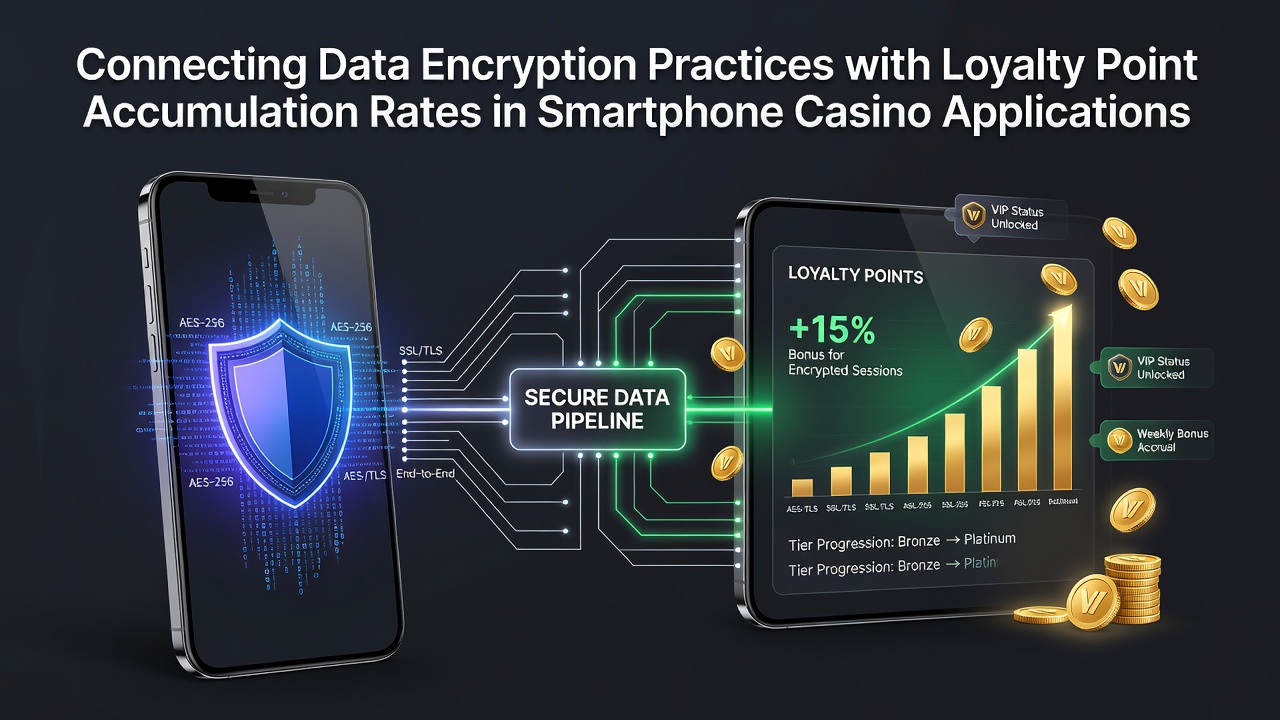
Data encryption practices intersect directly with loyalty point accumulation rates in smartphone casino applications because secure data handling protects the integrity of player activity logs that determine point awards, and operators rely on these protected systems to calculate rewards based on bets placed, games played, and session durations while maintaining compliance with regional gaming regulations. In August 2026, industry observers noted continued expansion of mobile platforms where encryption protocols such as AES-256 for data at rest and TLS 1.3 for data in transit prevent unauthorized access or alteration of the transaction records that feed into loyalty algorithms.
Core Encryption Methods Applied to Player Data
Developers implement end-to-end encryption within smartphone casino applications to safeguard user identifiers, wager amounts, and game outcomes that collectively influence how quickly loyalty points accrue, and this approach ensures that accumulation formulas process only verified inputs without exposure to interception during transmission between device and server. Those who study mobile security note that symmetric encryption keys rotate periodically in many systems, which reduces risks of key compromise that could otherwise allow manipulation of point tallies, while asymmetric methods handle initial authentication steps before players engage with progressive reward tiers. Research indicates that platforms using these layered protections maintain consistent accumulation rates across thousands of concurrent sessions, because the underlying data remains unaltered from the moment a spin completes until the system credits the corresponding points.
Loyalty Point Mechanisms and Their Data Dependencies
Loyalty accumulation typically follows formulas tied to real-money wagers, where one point might equal a fixed dollar amount bet on slots or table games, and encryption supports these calculations by securing the audit trails that regulators review during compliance checks. Observers note that smartphone applications often sync point balances in real time through encrypted channels, which prevents discrepancies that arise when data packets experience tampering or loss, and this reliability allows players to track progress toward tier upgrades without delays. Studies found that applications integrating biometric verification alongside encryption see higher accuracy in point attribution, since the combined controls confirm user identity before any accumulation event registers in the central database.
Integration Challenges and Technical Solutions
Connecting encryption directly to accumulation logic presents hurdles because processing encrypted data requires decryption at the server level before points can be awarded, yet developers address this through secure enclaves that perform calculations without exposing raw values in memory. People who examine these systems report that tokenization further separates sensitive identifiers from point ledgers, which streamlines verification while upholding encryption standards across regions such as the United States and parts of Europe. According to reports from the American Gaming Association, mobile operators in regulated markets have adopted these methods to support graduated incentive programs that scale with verified play volume.
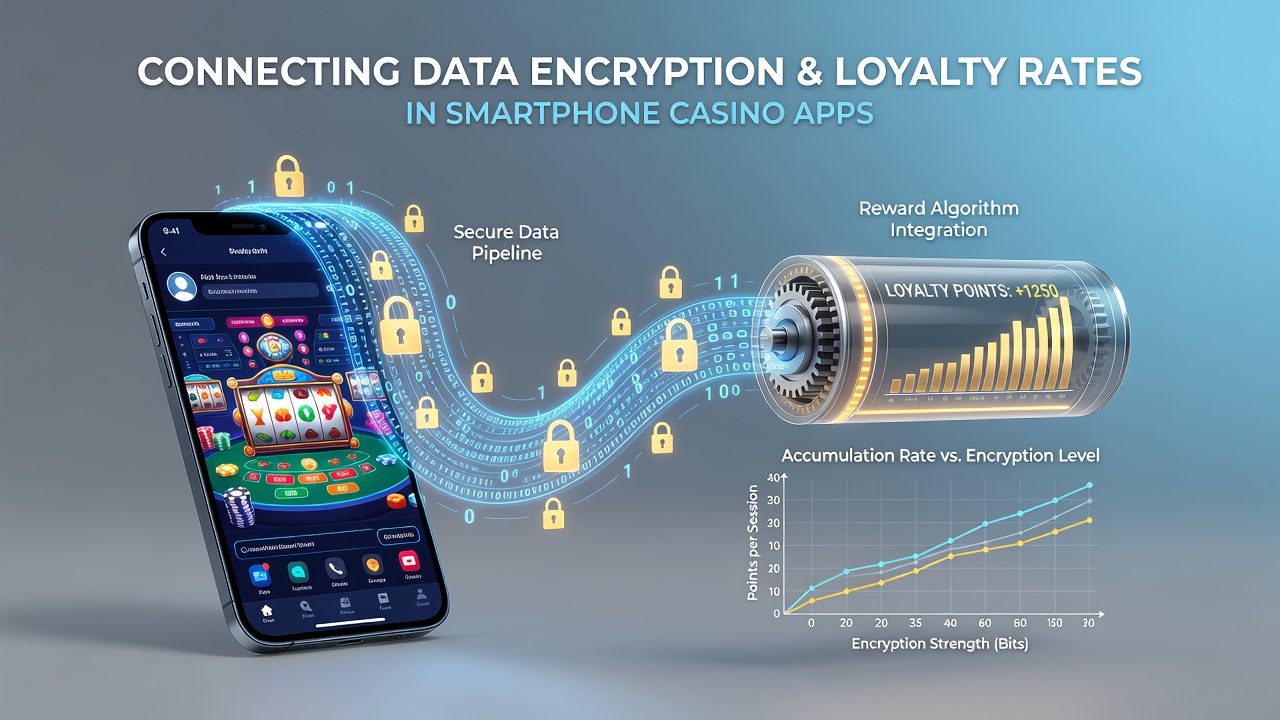
Additional measures include regular penetration testing focused on loyalty modules, and findings from such assessments guide refinements to key management practices that keep accumulation rates stable even during high-traffic periods. Researchers discovered that platforms employing homomorphic encryption variants allow limited computations on encrypted datasets, which means point awards can occur without full decryption and thereby shorten processing windows for real-time updates.
Regulatory Influences on Secure Accumulation Systems
Gaming authorities in multiple jurisdictions require documented encryption standards for any application handling financial and reward data, and these mandates shape how operators design loyalty engines to avoid penalties while delivering predictable point rates. Data from Canadian regulatory summaries show that encrypted audit capabilities help demonstrate fair distribution of rewards, since inspectors can verify that accumulation events match player activity without evidence of external interference. Applications that align encryption depth with the sensitivity of loyalty calculations tend to receive faster approval for new features, because the security framework already supports transparent tracking of every credited point.
Future Developments in Encrypted Reward Tracking
Emerging techniques such as quantum-resistant algorithms are entering discussions among developers who build smartphone casino platforms, because current encryption must evolve to protect loyalty data against advancing computational threats that could target accumulation records. Industry organizations track pilot programs where enhanced protocols test alongside existing loyalty structures, and preliminary results suggest minimal impact on accumulation speed when properly optimized. Those who've reviewed these trials note that the connection between encryption strength and point reliability remains central, since any perceived vulnerability could erode player trust in the reward system itself.
Conclusion
The linkage between data encryption practices and loyalty point accumulation rates in smartphone casino applications rests on the need for verifiable, tamper-resistant records that underpin every reward calculation, and continued refinement of these security measures supports stable operation across expanding mobile user bases. Operators maintain compliance and accuracy by embedding encryption at multiple layers, which in turn sustains the data quality required for fair and timely point distribution.