Networked Security Protocols Managing Tiered Incentives in Handheld Casino Slots
Written by Sam Günther · Oct 26, 2026
Networked Security Protocols Managing Tiered Incentives in Handheld Casino Slots
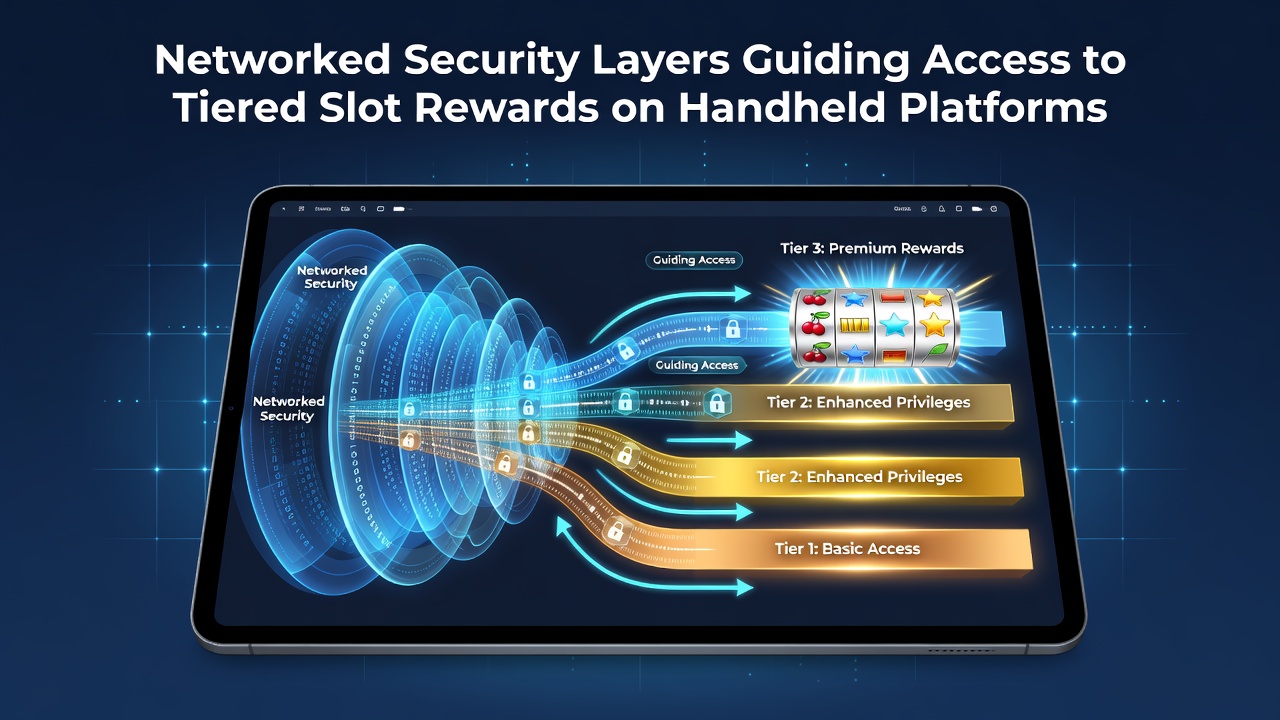
Networked security protocols form the backbone of access controls that determine which players reach specific tiers of slot rewards on handheld platforms, and these systems integrate encryption, authentication, and behavioral monitoring to segment user privileges. Data from industry reports in October 2026 shows continued expansion of mobile gaming infrastructure across multiple regions, with operators relying on interconnected layers to prevent unauthorized progression through reward structures. Researchers have documented how these frameworks operate in real time, adjusting permissions based on verified identity and account history while maintaining compliance with regional gaming regulations.
Core Components of Security Layering
Multi-factor authentication stands at the foundation of these protocols, combining device recognition, biometric scans, and one-time passcodes to establish initial access, after which additional layers evaluate player activity against predefined thresholds for reward eligibility. Studies indicate that encryption standards such as AES-256 protect data transmission between handheld devices and central servers, ensuring that information about accumulated points or bonus unlocks remains shielded from interception during mobile sessions. Observers note that behavioral analytics engines run continuously in the background, flagging unusual patterns that might suggest attempts to bypass tier requirements, and these engines feed results directly into access decision matrices.
Access to higher reward tiers often hinges on verified play volume and account longevity, with the system cross-referencing these metrics against stored profiles before granting entry to exclusive slot features or enhanced payout multipliers. Those who have examined similar platforms report that session tokens expire after short intervals, forcing re-authentication that reinforces the layered structure without disrupting ongoing gameplay on stable connections.
Integration with Reward Progression Mechanics
Tiered slot rewards typically unfold across bronze, silver, gold, and platinum levels, each unlocked only after the security stack confirms compliance with criteria such as minimum deposit history or consistent login frequency from recognized devices. According to figures released by the American Gaming Association, mobile platforms processed increasing volumes of tiered incentive claims throughout 2026, highlighting the role of automated verification in scaling these programs. The process flows as follows: initial login triggers device fingerprinting, subsequent play accumulates data points, and periodic audits by the network layer either advance or restrict the user based on accumulated evidence.
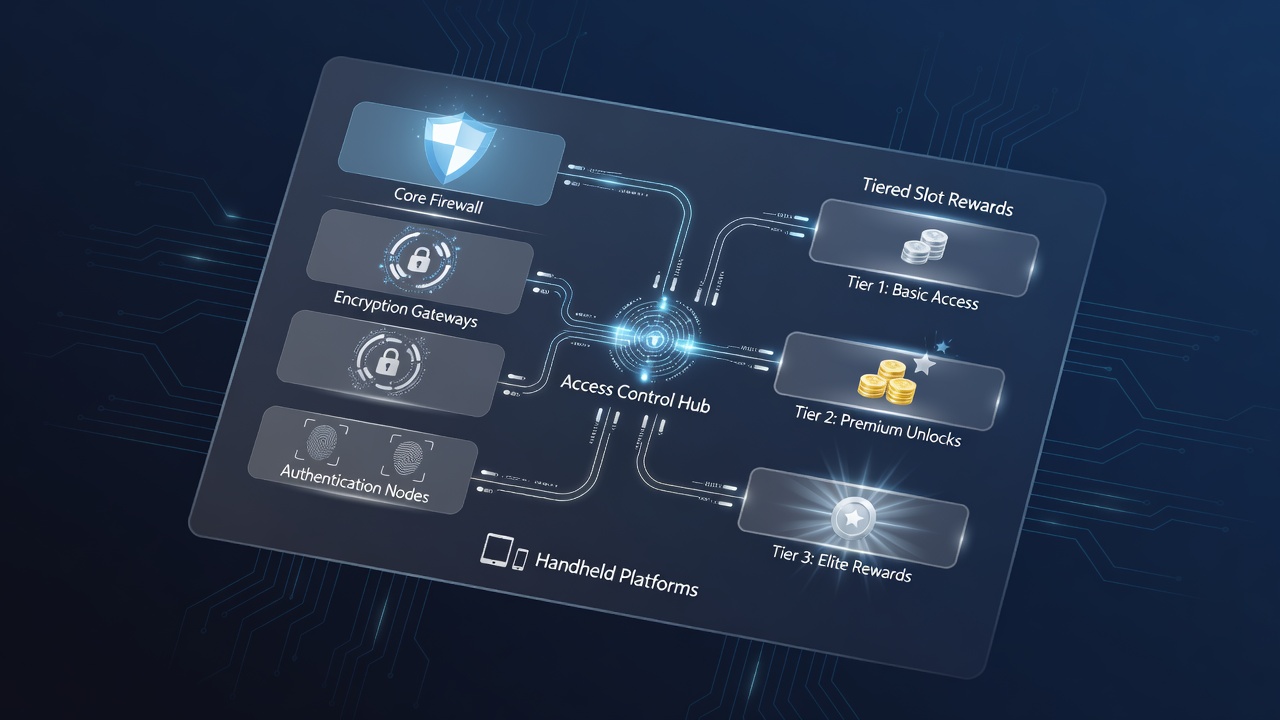
But here's the thing: when a player reaches a new threshold, the protocol does not simply flip a switch; it initiates a secondary confirmation sequence that includes geolocation checks and cross-references with regulatory databases to confirm eligibility under local rules. This approach prevents premature access while allowing legitimate progression, and it aligns with standards promoted by organizations such as the Canadian Gaming Regulators Association. Evidence suggests these checks occur seamlessly on modern handhelds because the underlying architecture distributes computational load across edge servers and central clouds.
Regional Regulatory Influences on Protocol Design
Regulatory bodies in different jurisdictions shape how these security layers function, with the Nevada Gaming Control Board requiring documented audit trails for all tier advancement events on mobile systems licensed in the state. Similar requirements appear in frameworks used by the Australian Communications and Media Authority, which emphasizes transparency in how operators log access decisions for tiered incentives. Those who study cross-border operations find that platforms often maintain region-specific rule sets within a unified security architecture, allowing the same handheld application to enforce stricter or more lenient criteria depending on the detected location.
What's interesting is the way October 2026 updates to mobile operating systems introduced enhanced hardware-backed keystores that further strengthen these protocols, enabling more reliable storage of encryption keys on consumer devices. Academic papers from research institutions have examined how such hardware features reduce vulnerability windows during reward redemption processes, and the findings point to measurable drops in reported access anomalies following widespread adoption.
Technical Challenges and Ongoing Adaptations
Maintaining consistent performance across diverse handheld hardware presents ongoing challenges for these networked systems, since older devices may lack support for the latest biometric standards or secure enclave technologies. Operators address this by implementing fallback authentication paths that still satisfy minimum security thresholds before unlocking any reward tier, and they monitor aggregate data to identify hardware segments requiring additional safeguards. Research indicates that real-time updates to the security rule engine allow platforms to respond to emerging threat patterns without requiring full application redeployment on user devices.
Take one case where experts tracked a series of coordinated login attempts across multiple accounts; the layered system isolated the activity within minutes by revoking session tokens and requiring fresh verification, thereby protecting higher-tier rewards from potential exploitation. Such responses demonstrate how the architecture balances user convenience with protective measures in live environments.
Conclusion
Networked security layers continue to evolve as central elements in managing access to tiered slot rewards on handheld platforms, integrating authentication, encryption, and regulatory compliance into unified workflows. Figures from multiple oversight bodies confirm sustained reliance on these structures amid growing mobile participation, and ongoing refinements in October 2026 reflect responses to both technological advances and regional policy shifts. The result is a framework that segments reward access according to verifiable criteria while supporting the operational scale demanded by contemporary gaming networks.